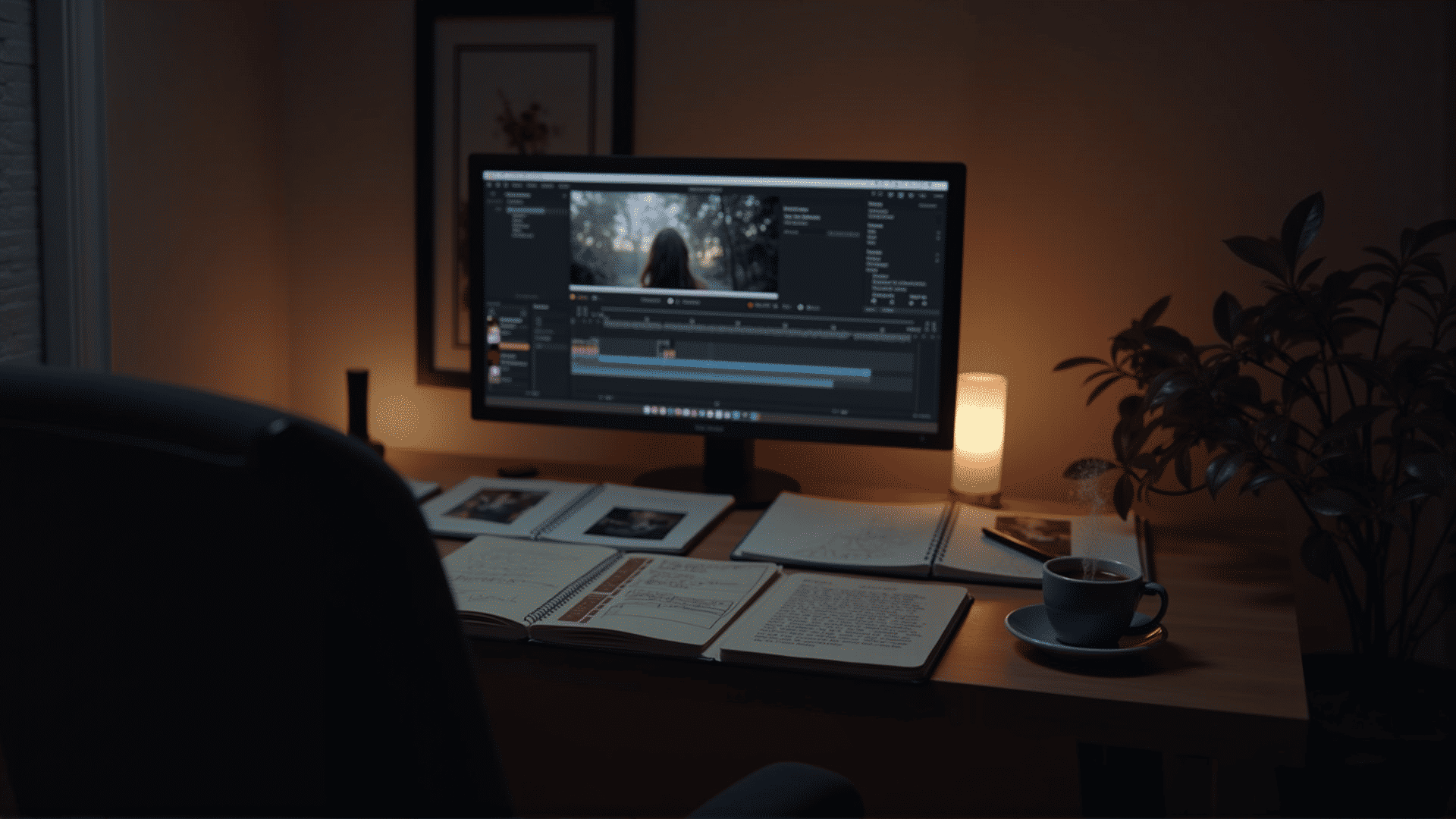
In the realm of digital storytelling and content creation, the significance of video editing tools cannot be overstated. These tools allow editors to fine-tune raw footage, crafting a seamless visual narrative that engages and captivates audiences. Understanding the variety of video editing tools available and their distinct functions can significantly enhance the quality of your editing work.
Non-Linear Editing Software
At the heart of video editing are non-linear editing software packages. These programs, such as DaVinci Resolve, Final Cut Pro, and others, provide a versatile platform for assembling video clips, adding effects, and adjusting audio. They offer an intuitive interface with timelines that allow editors to rearrange scenes effortlessly without altering the original files, ensuring both flexibility and control during the editing process.
Video Transcoding Tools
Video transcoding software is essential for converting video files between different formats and resolutions. Tools like HandBrake and Adobe Media Encoder enable editors to optimize their work for various platforms, ensuring compatibility and the best possible playback quality. These tools also offer the ability to compress files, making them easier to manage and distribute.
Color Grading Enhancements
Achieving the perfect aesthetic for your video can be accomplished through color grading tools. DaVinci Resolve is renowned for its color correction capabilities, offering precise controls over hues, saturation, and luminance. These tools enable editors to create atmosphere and mood, transforming the visual tone of the footage to align with the intended narrative.
Audio Editing Software
Audio quality is as crucial as visual clarity in video editing. Software such as Adobe Audition and Audacity allow editors to adjust, enhance, and clean up soundtracks, dialogues, and background noise. They provide functionalities such as multi-track editing and audio effects, which are vital for achieving a polished audio experience.
Visual Effects Tools
For those looking to add a creative edge, visual effects tools are indispensable. Software like After Effects offers a wide range of effects, animations, and motion graphics, allowing editors to integrate complex effects seamlessly into their videos. These tools can help create stunning visuals that elevate the storytelling experience.
Graphic Design Software
Incorporating titles, captions, and graphic elements can enhance the storytelling and communication within a video. Tools such as Adobe Photoshop and Illustrator provide powerful graphic design capabilities, allowing editors to create custom elements and integrate them smoothly into their projects.
Plug-Ins and Extensions
Enhancing the functionality of your editing software can be achieved through various plug-ins and extensions. These additional tools offer specialized features, from advanced transitions and effects to improved color grading and audio tools. They enable editors to customize their workflow and expand their creative toolkit.
In conclusion, the landscape of video editing is vast and varied, offering tools that cater to every aspect of the editing process. Understanding and utilizing the right combination of these tools can significantly enhance the quality of your projects, ensuring that each video tells a compelling and visually engaging story. Through continuous learning and experimentation, editors can refine their skills and produce remarkable content that resonates with audiences.