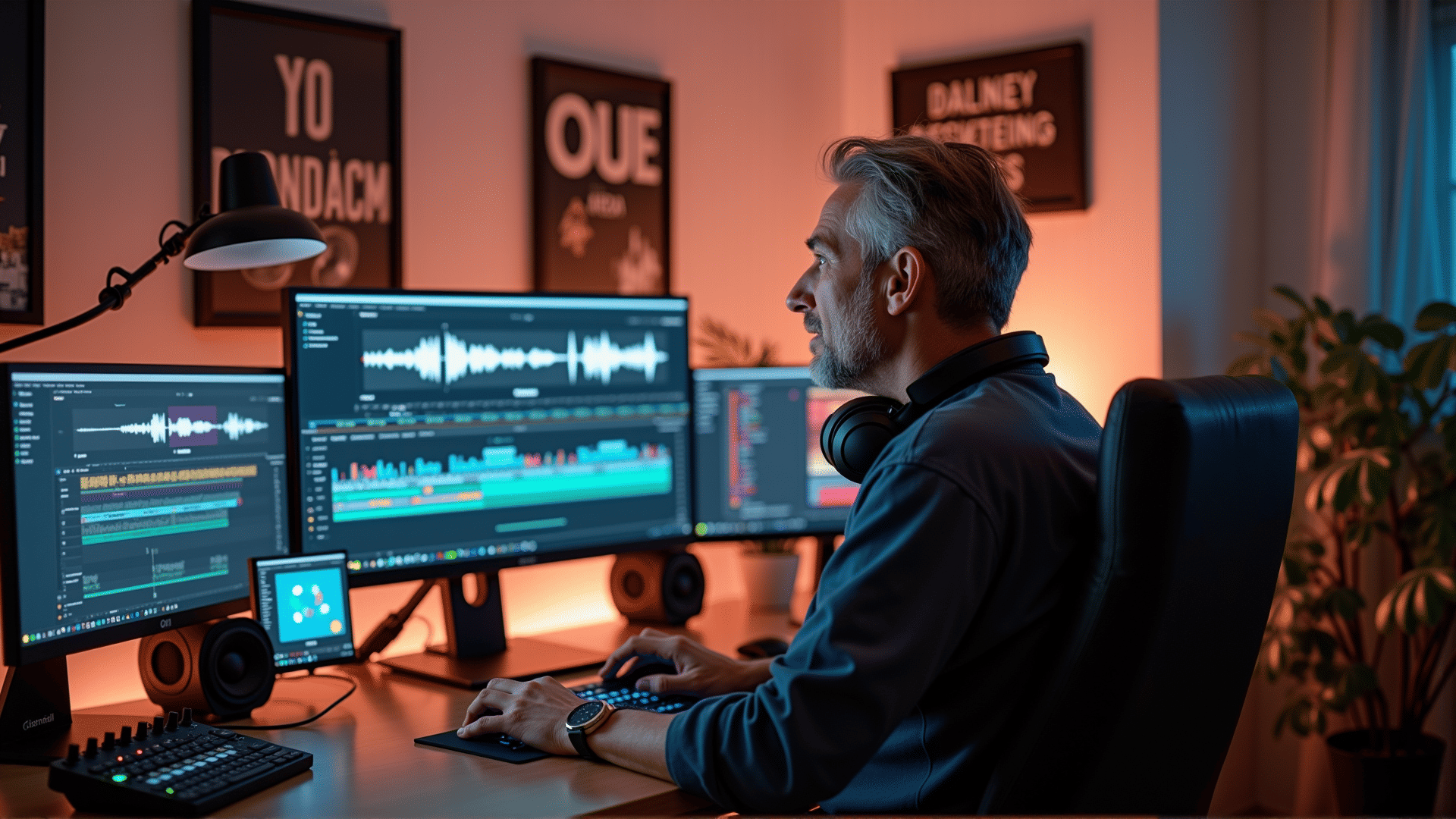
In the world of video editing, crafting a polished and engaging visual narrative requires both creativity and technical expertise. Professionals in this field utilize a range of advanced techniques that transform raw footage into captivating stories. By understanding and implementing these techniques, aspiring editors can elevate their work to professional levels.
One of the key components of professional editing is mastering the art of storytelling. Every cut, transition, and effect should serve the narrative. Begin by thoroughly reviewing your footage to identify the key moments that will drive your story forward. Arrange these clips on your timeline to create a coherent and compelling narrative arc.
Seamless transitions are another vital tool in your arsenal. While cuts are standard, understanding when and how to use advanced transitions, such as dissolves or wipes, can add a touch of professionalism. These transitions should enhance the flow of the story rather than distract from it. For instance, using a cross dissolve can soften the transition between two scenes that are thematically connected.
Sound design is equally crucial. Audio can dramatically influence how an audience perceives a video. Ensure that music, dialogue, and sound effects are balanced and clear. Adding ambient sounds can create a more immersive atmosphere, while strategic silences can heighten tension or emotion. Experiment with equalization and compression to ensure your soundtrack is crisp and clear.
Color grading is a technique that can significantly alter the mood of your video. Adjusting the hues and contrast can transform ordinary footage into something cinematic. Aim to create a consistent color palette that reflects the tone and style of your piece. Utilize software tools to adjust exposure, saturation, and balance to achieve the desired look.
Incorporating visual effects judiciously can add a layer of sophistication. This might include motion graphics, overlays, or compositing elements from different shots. However, it’s important to apply these sparingly and in service to the narrative. Overuse can result in a cluttered and distracting final product.
Another professional technique is the use of advanced editing software features. Learning shortcuts and utilizing tools such as multicam editing, keyframing, and time remapping can enhance the efficiency and creativity of your process. These features allow for more precise control over your edits and open up possibilities for creative expression.
Finally, always be open to feedback. Sharing your work with peers and mentors can provide new insights and help refine your skills. Constructive criticism can reveal areas for improvement and spur new ideas, ultimately leading to stronger, more impactful video content.
By focusing on these advanced editing techniques and continually practicing your craft, you can produce professional-grade videos. Remember, the best editing is invisible; it supports the story unobtrusively, allowing the audience to be fully immersed in the experience.