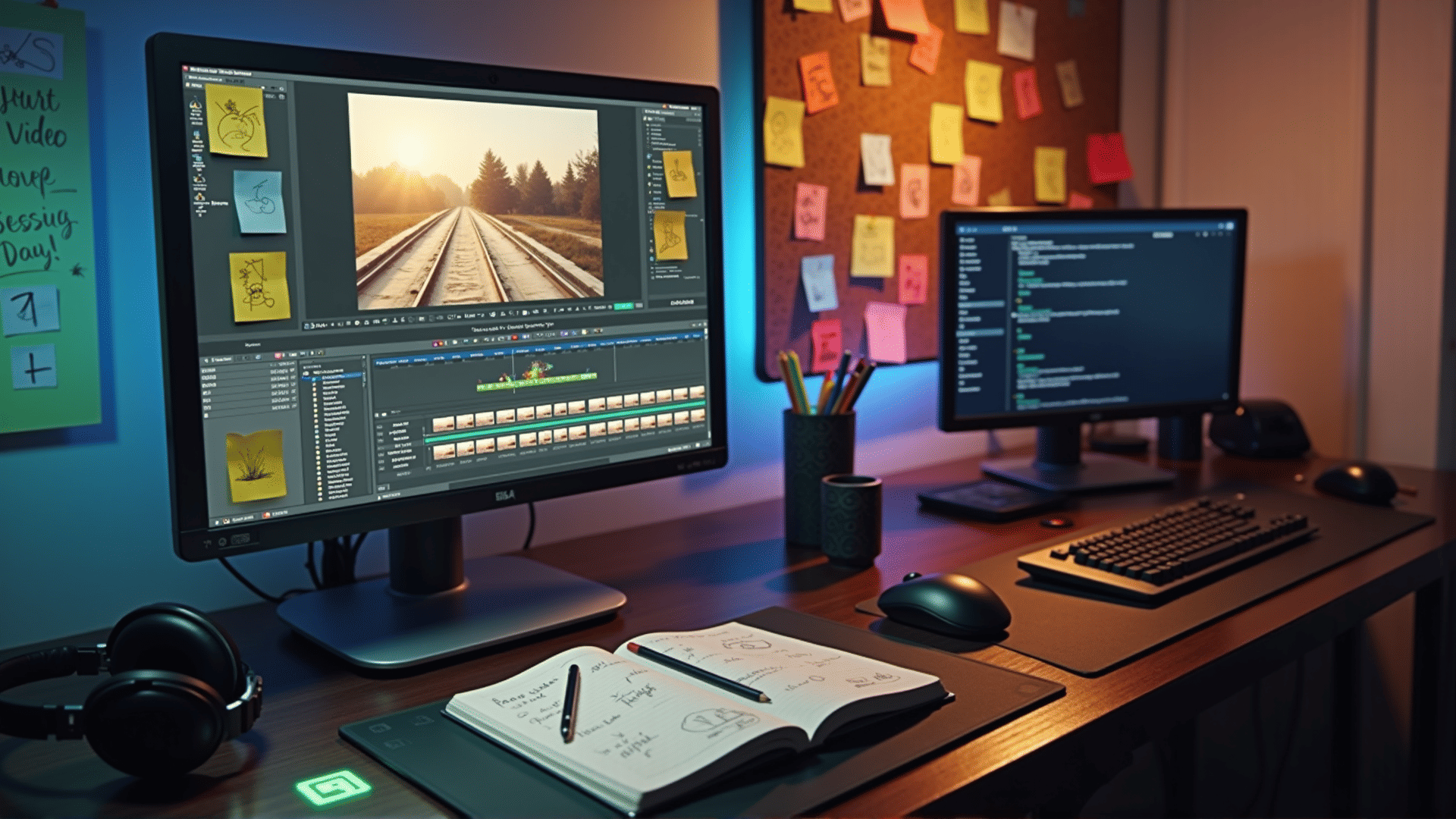
In the modern realm of visual storytelling, videos have become a powerful medium for conveying narratives in a captivating manner. Crafting an impactful story through video requires more than just a strong script; it involves a fusion of creativity and technical prowess. By utilizing visual effects and employing distinctive editing tricks, storytellers can elevate their narratives to create memorable experiences. Here, we explore various techniques to enhance storytelling through video.
Visual Effects for Amplifying Narrative
1. Layering Images and Videos: Layering can add depth and context to your scenes. By overlaying images or videos, you can illustrate backstories or convey parallel narratives, thus enriching the viewer's understanding and engagement with the story.
2. Color Grading: Colors evoke emotions and can significantly affect the audience's perception of a scene. Adjusting the color palette to reflect the mood of your story—such as using warm tones for comfort or cool hues for tension—can immeasurably augment the narrative depth.
3. Motion Graphics: Incorporating motion graphics, such as animated text or diagrams, can effectively communicate complex information succinctly. This technique can be particularly useful in educational or scientific narratives where visual aid enhances understanding.
Unique Editing Tricks
1. Match Cuts for Seamless Transitions: A match cut is a compellingly clever editing technique that maintains continuity. By cutting from one scene to another with matching elements (such as shape or movement), creators can smoothly navigate between different parts of the story without jarring the audience's experience.
2. Jump Cuts for Building Excitement: This technique involves cutting abruptly between different moments in time, often creating a sense of urgency or confusion that mirrors the protagonist’s experience. It's a tactic best used sparingly to emphasize shifts in tone or pace.
3. Split Screens for Parallel Narratives: Using split screens can visually connect two simultaneous events, allowing the viewer to witness different perspectives or actions occurring at the same time. It’s a dynamic way to weave subplots into the main narrative.
Sound Design: The Silent Narrator
1. Ambient Sound: Not all storytelling is visual; sound can be a powerful narrative tool. Incorporating ambient sounds like rain, city noise, or nature can build a setting as effectively as any visual image.
2. Musical Score: Music sets the tone and influences emotional reactions. A well-chosen score can underscore pivotal moments, accentuating emotion without overwhelming the narrative.
3. Voiceover Narration: Sometimes, an external voice can provide insights, context, or commentary that visual elements alone cannot convey. This can add layers to the narrative and guide the viewer through complex storylines.
Conclusion
Incorporating these techniques into your storytelling toolkit will transform your video projects from mere presentations into dynamic narratives that captivate and resonate with audiences. By embracing creative editing, thoughtful sound design, and innovative visual effects, storytellers can craft immersive experiences that linger in the minds of viewers long after the screen goes dark. As you refine these skills, remember that the most impactful story is one that is as engaging as it is enlightening.